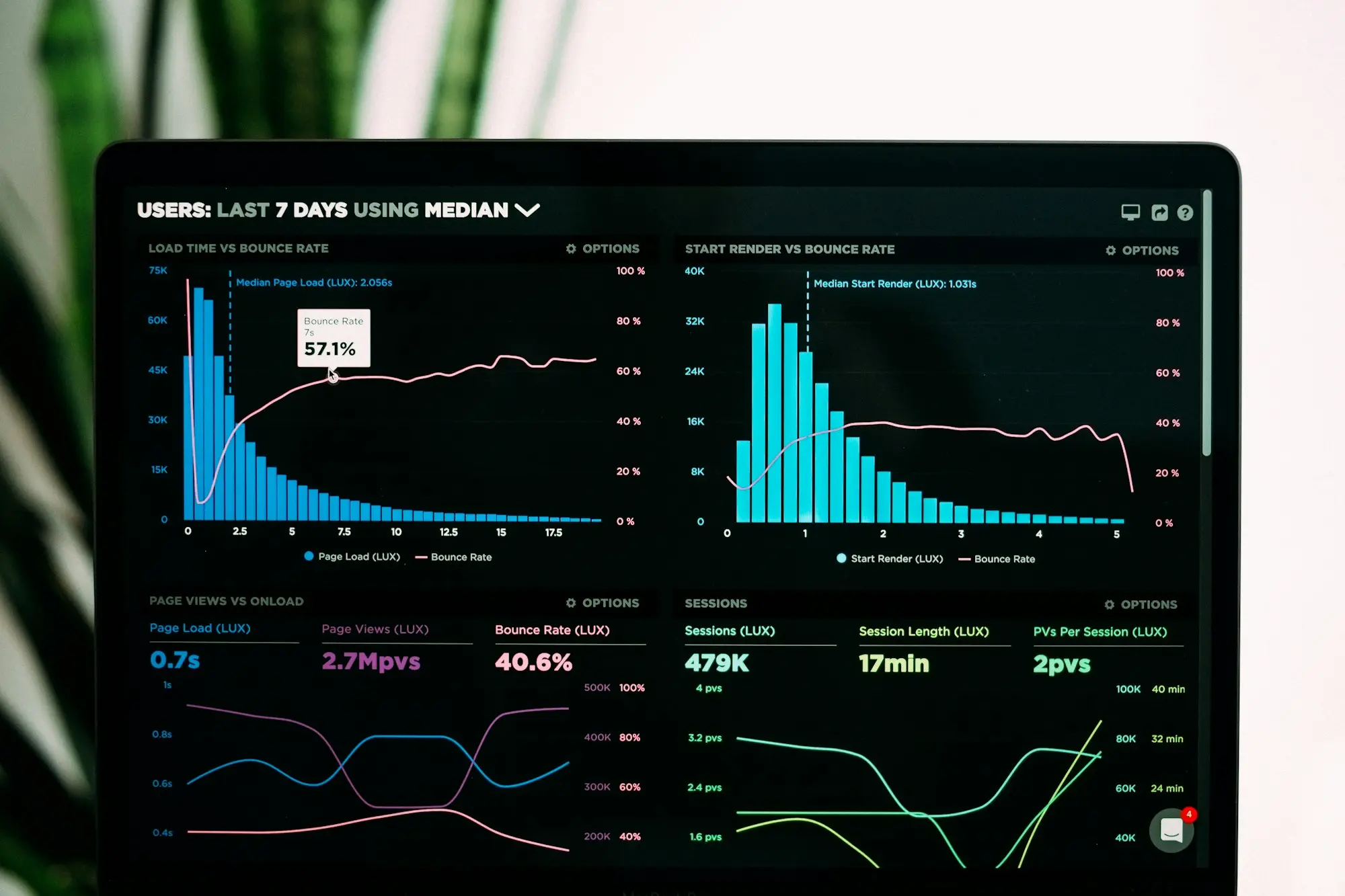
Most B2B companies do not have an analytics problem. They have a distance problem: the gap between a number changing and anyone doing something about it.
The dashboard exists. The monthly report gets built. Someone even reads it. And then the week starts, the queue fills up, and the insight quietly expires. By the time anyone acts, the moment has passed.
Closing that gap is one of the highest-return things a specialist network does, because it costs nothing extra to act on data you were already collecting.
Why reports go unread
Three reasons, and none of them are laziness.
- They arrive detached from the work. A PDF in your inbox is not connected to the CMS, the calendar, or the campaign it should change.
- They describe, they don’t prescribe. “Organic traffic down 8%” is a fact. “Three of your top-ten pages lost position to the same competitor; here are the sections to rewrite” is a task.
- They’re periodic, but performance isn’t. A monthly cadence means the average signal waits two weeks before anyone sees it.
“A metric that doesn’t change what anyone does next is a cost, not an asset.”
What a wired-in specialist watches
A Digital Marketing Specialist connected to Google Analytics and Search Console isn’t producing a prettier dashboard. It’s watching a small number of specific things continuously and knowing what each one implies:
- Pages gaining position. Something is working, so go deeper on that topic while momentum lasts.
- Pages decaying. Content that ranked and is slipping. Usually the cheapest win available, because the authority already exists.
- Impressions without clicks. You’re visible and unconvincing. That’s a title and meta description problem, not a content problem.
- Queries you rank for but never targeted. Free market research about what people actually want from you.
- Entry pages with high exits. The page delivered a visitor and then failed to do anything with them.
- Timing patterns. Which days and hours your actual audience engages, as opposed to when it’s convenient to post.
None of this is exotic. It’s the analysis a good marketer would do, if they had the time, every day, without fail.
From signal to action
The step that matters is the handoff. Detecting the signal is worth very little on its own; what changes outcomes is that something happens next, automatically.
A decaying page triggers a rewrite brief to the Content Specialist, with the competing pages that overtook it and the sections they cover that you don’t.
A page with strong impressions and weak clicks triggers a title and meta rewrite, a small, fast, high-yield change most teams never get around to.
A newly surfaced query with real volume goes to the Analyst to size, and if it holds up, to Content as a new brief.
An entry page with a bad exit rate goes to the Digital Specialist for a CTA review, and the change gets logged so its effect can be measured next month.
Each of these is a rule you’d agree with in a meeting. The difference is that the network applies them the day the signal appears, not the month after.
Measure the loop, not just the metric
Once actions are automatic, you gain something most marketing teams never have: a clean record of what was changed, when, and why.
That record is what makes improvement compound. Six months in, you can ask questions that were previously unanswerable. Do title rewrites actually move clicks for us? Does refreshing decayed content beat writing new content, pound for pound? Which topics reliably convert rather than merely attract?
The answers are specific to your business, and they get sharper every month. This is the part a generic platform can’t give you, because it isn’t learning from your history.
Where to start
You do not need a data warehouse. You need two connections and one rule.
Connect Search Console and Analytics. Then pick a single trigger, and decaying pages is the usual best first choice because the fix is cheap and the upside is immediate. Let the specialist run it end to end, with your approval on the rewrite.
Once you’ve seen one loop close, adding the next five is a configuration change rather than a project.
The point
Analytics stopped being the hard part years ago. Collecting the data is solved; visualising it is solved. What was never solved was the last mile: someone noticing, deciding, and doing, reliably, forever.
That last mile is exactly what a specialist is for.