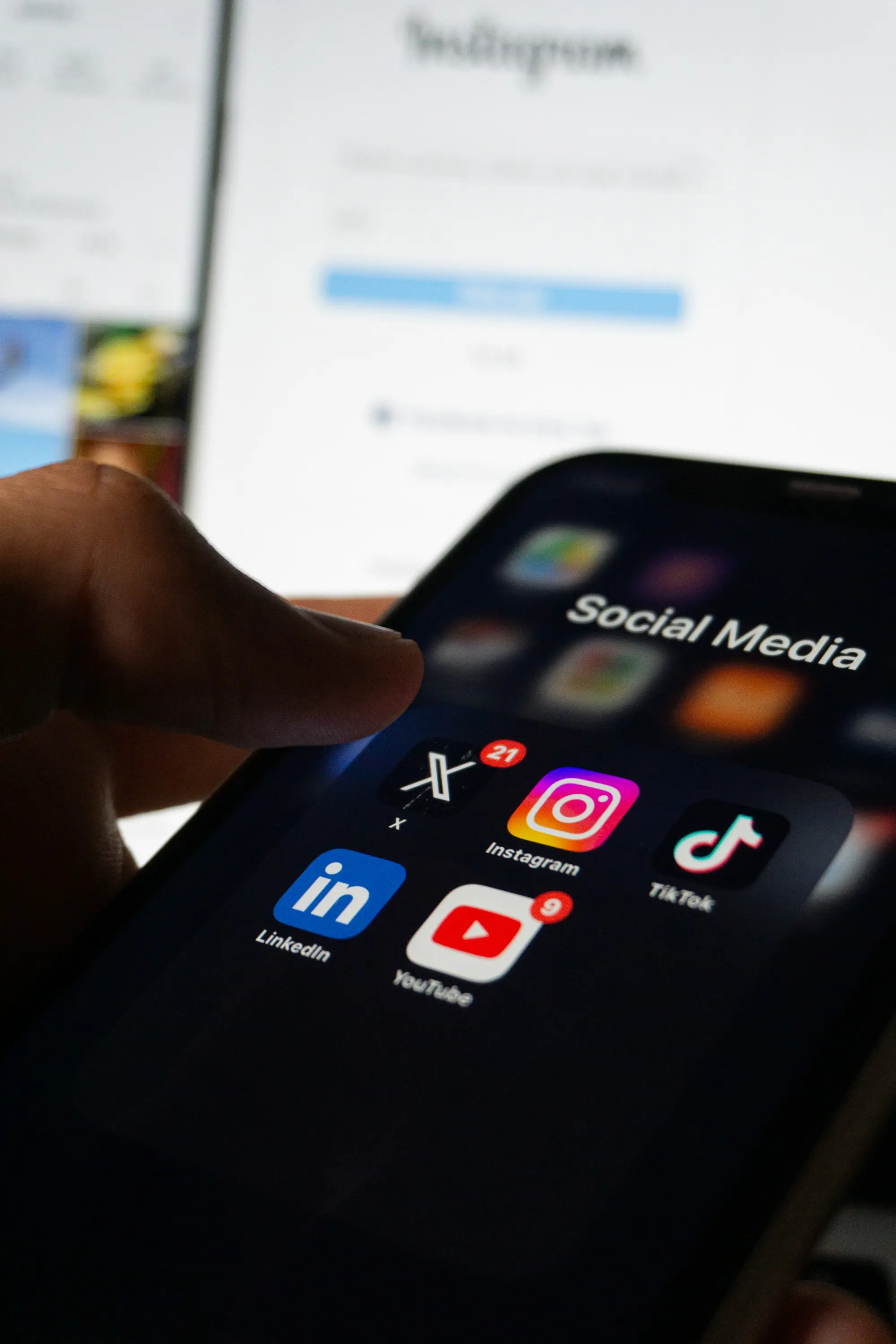
B2B social media fails in a predictable pattern. Someone commits to posting three times a week. It goes well for a month. Then a launch lands, the calendar slips, and the account goes quiet for six weeks, after which restarting feels embarrassing enough that it doesn’t happen.
The problem is not creativity. It’s that social is a cadence task being run by people whose week has no reliable spare hour in it.
Consistency beats brilliance
On LinkedIn in particular, a steady stream of useful, unremarkable posts outperforms occasional excellence. Audiences build through repetition; algorithms reward regularity; and the compounding only starts once you’ve been present long enough to be recognised.
That makes social the single easiest marketing function to hand to a specialist, because the thing it needs most is the thing humans are worst at supplying: turning up every week regardless of what else is happening.
“Nobody ever lost a B2B audience by being slightly less clever. They lost it by going quiet.”
Where the posts come from
A social specialist working alone would be guessing. Inside a network, it isn’t:
- The Content Specialist hands over each published article with a suggested angle.
- The Analyst flags market moments worth commenting on while they’re current.
- The Digital Specialist supplies the hours your actual audience engages, rather than the hours a generic best-practice guide recommends.
- Past engagement data tells it which formats have worked for you, not which formats work in general.
So the calendar fills from real signals, and the timing is derived from your own data.
Staying on-brand, mechanically
“On-brand” sounds subjective. Most of it isn’t. It decomposes into rules that can be written down once:
- Vocabulary you use and vocabulary you never use
- Whether you use hashtags, emoji, first person, questions
- Claims you’re allowed to make about results and clients
- How you refer to competitors, which is usually not at all
- Post length, formatting, and whether you link out in-post or in a comment
Encode those and the failure mode changes completely. Instead of occasionally publishing something off-key, the specialist produces consistently on-key work, and your review is spot-checking rather than gatekeeping.
Keep the gate where it belongs
Social is public and permanent enough that most companies keep an approval step, at least at first, and that’s the right instinct. But scope it properly:
- Approve the week, not each post. A batch review on Monday takes ten minutes.
- Gate reactive commentary tightly. Anything responding to news or a competitor should always be seen by a person.
- Let evergreen promotion run. Sharing an article you already approved does not need a second approval.
Replies and DMs are a separate question. Automated engagement is where B2B brands most often embarrass themselves, so the default should be that a human handles conversation while the specialist handles publication.
What changes after a quarter
Nothing dramatic on any single day. What you notice at the end of three months is that the account never went quiet, the posting times match when your audience is actually there, the voice is consistent enough that people recognise it, and you spent roughly ten minutes a week on it.
That’s the whole promise. Not virality, but presence, maintained without effort.